
Our Services
On-site. No transport risk. No schedule delays. No size limits.
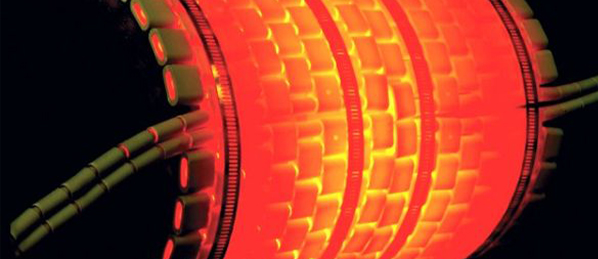
Gulf Coast Combustion provides on-site heat treatment across the full range of industrial work — pressure vessel PWHT, refractory dry outs, localized PWHT, and tank lining heat cures — performed at your facility with direct gas fire combustion and full documentation on every job.

Primary Service
On-Site Pressure
Vessel PWHT
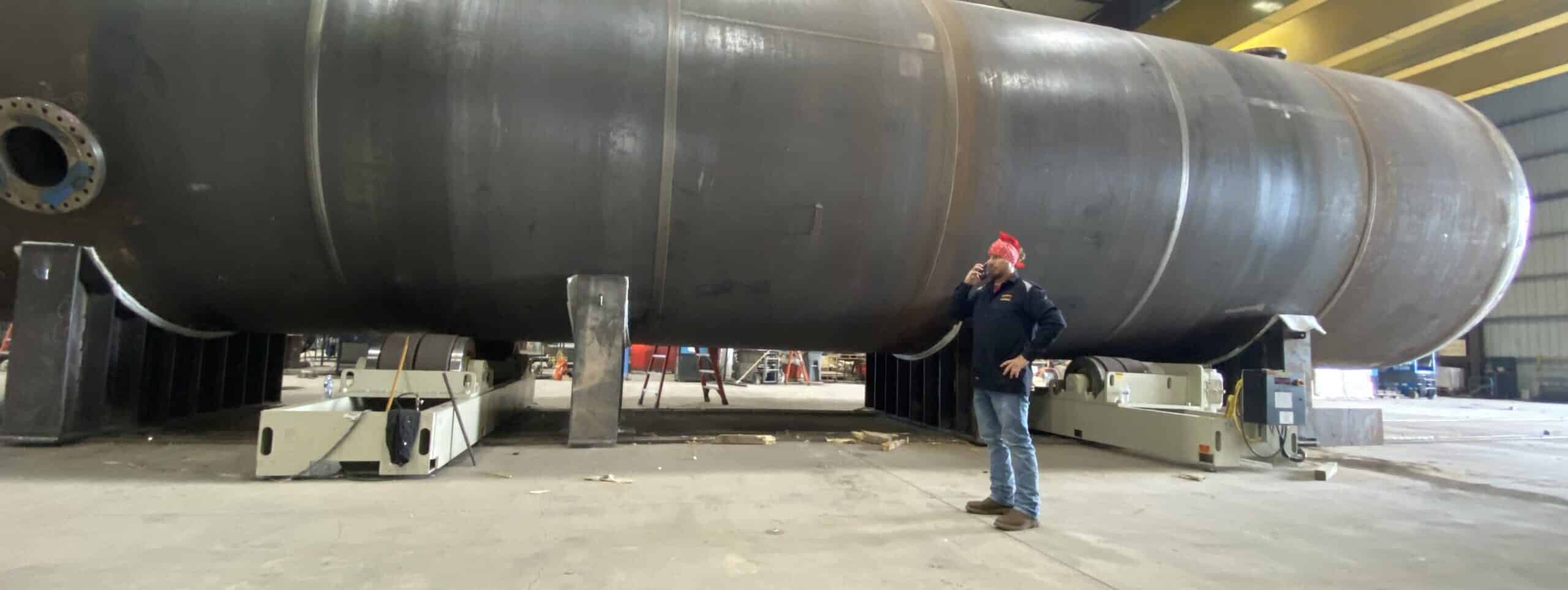
Any size. Any weight. Any configuration. Up to 144' and counting.
Your vessel stays in your yard. Your crew watches every phase. GCC mobilizes directly to your facility — Gulf Coast to anywhere in the U.S.
View Vessel PWHT →Estimate Your Pressure Vessel PWHT Job Cost Instantly
Enter your vessel specs and get a budgetary range based on GCC's actual job data in seconds. No email required.
Industrial Service
Refractory
Dry Out
High-velocity direct gas fire. Proper cure schedules. Every time.
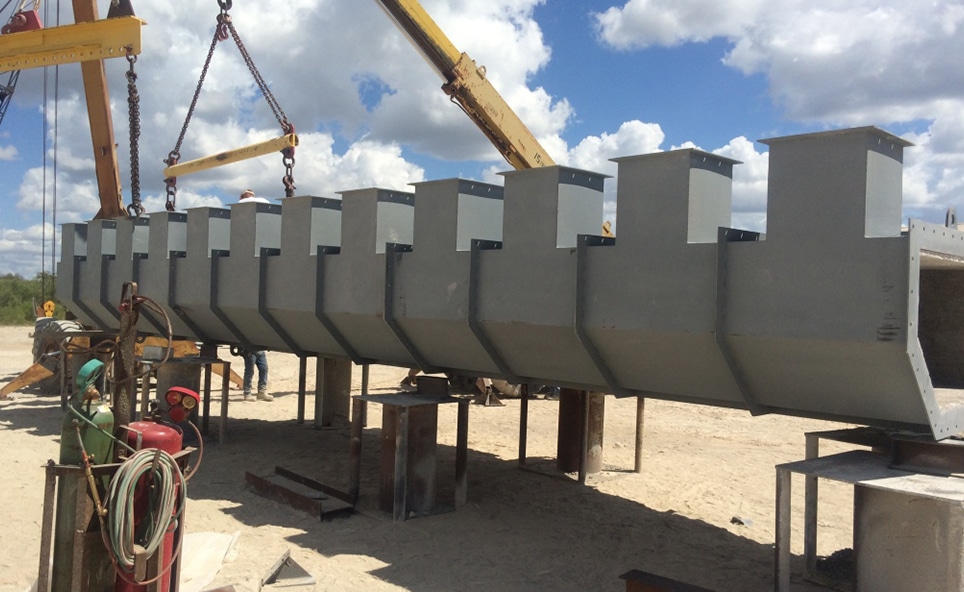
GCC's high-velocity combustion systems deliver controlled, documented dry outs for furnaces, boilers, and refractory-lined equipment. No shortcuts. Full documentation on every job.
View Refractory Services →
Localized PWHT
Targeted heat treatment on pipe spools, nozzles, and weld repairs. Same code compliance and documentation standards as full vessel jobs.
View Localized PWHT →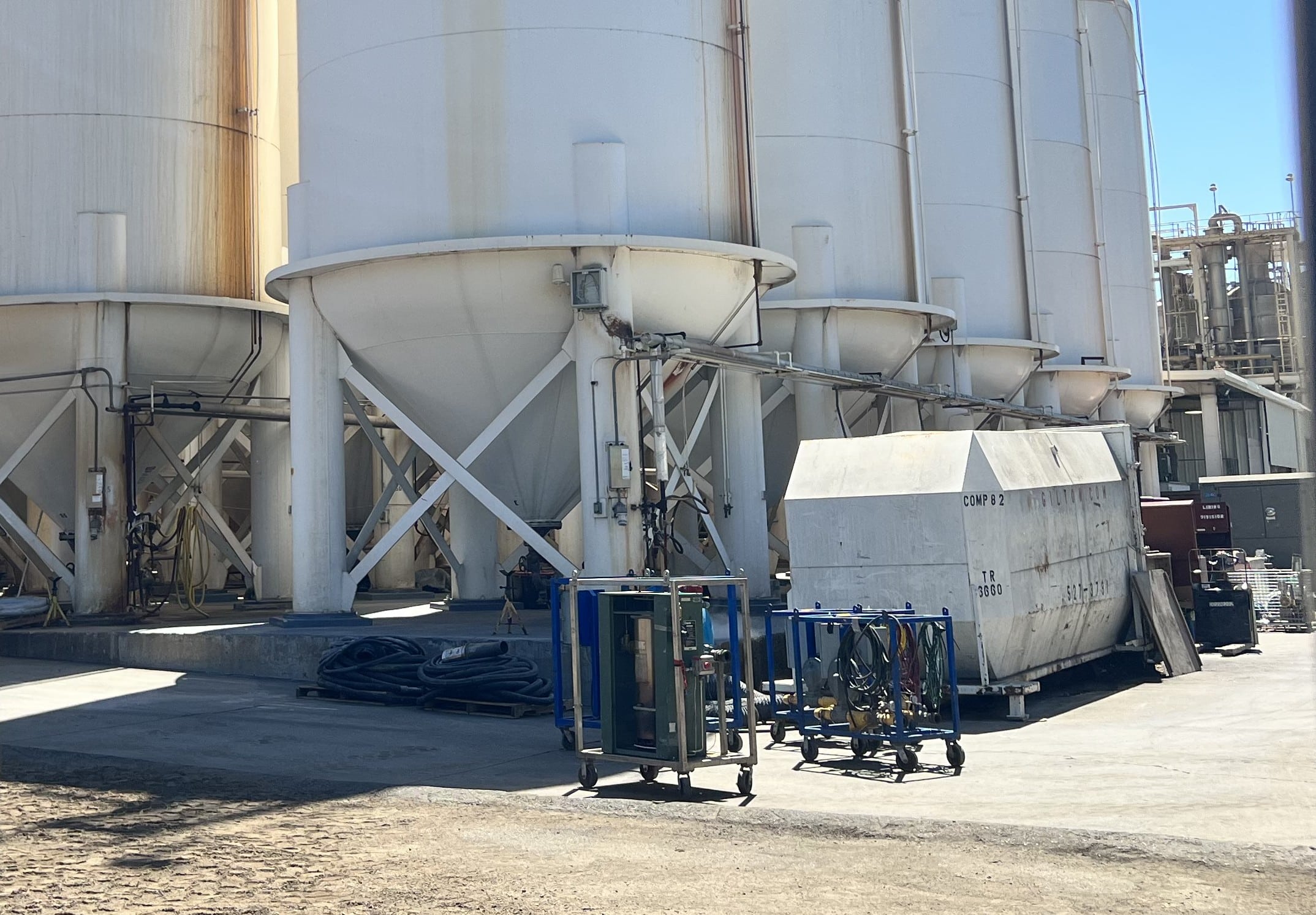
Tank Lining Heat Cure
On-site documented heat cure for industrial tank linings — ChemLINE, epoxy phenolic, novolac systems. Skip the 5–14 day ambient cure wait. We mobilize anywhere in the U.S.
View Tank Lining Heat Cure →In-House Furnace — Spring, TX
Up to 25,000 lbs · 30' × 10' × 10' · Send smaller components directly to our facility
Direct Gas Fire Combustion
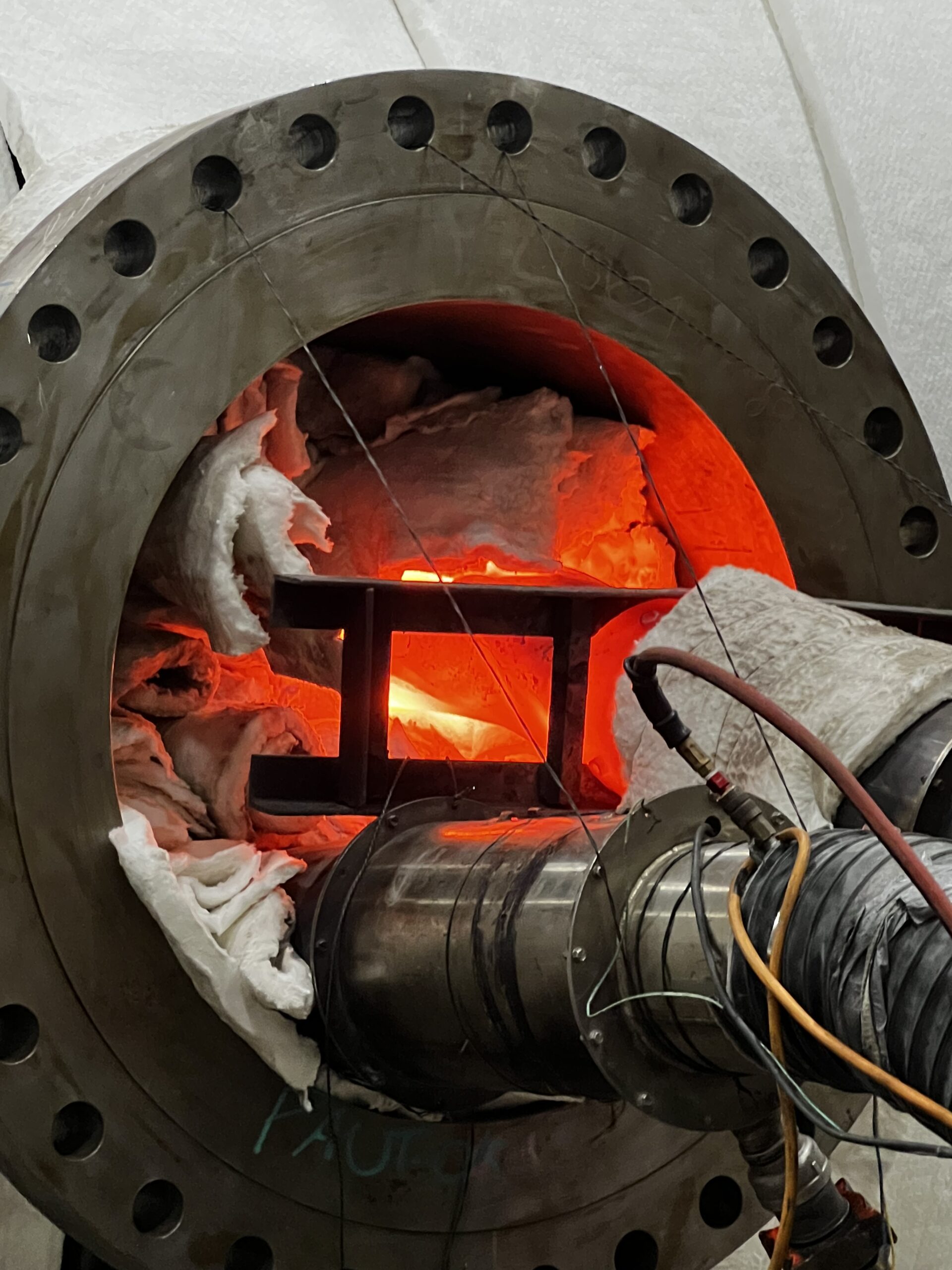
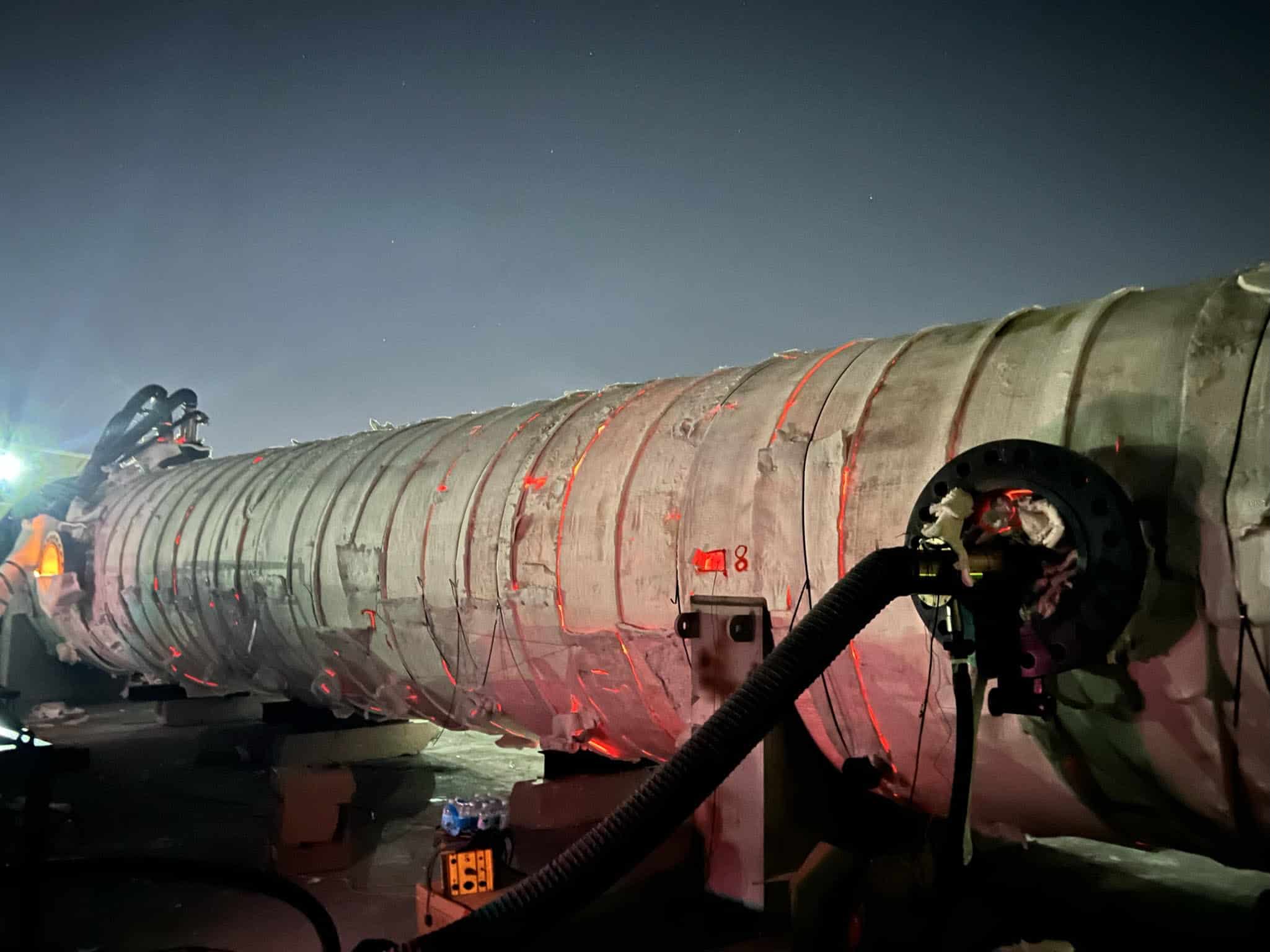
This is what 1,150°F looks like from the inside.
Gas hoses threaded through the manway. Ceramic fiber insulation packed tight. The cook running on your floor, on your schedule, with your QC team watching every phase.
As Featured In
The Fabricator — North America’s Leading Metal Fabricating Publication
Gulf Coast Combustion owner James Benefield wrote the August 2026 feature on heat treating large pressure vessels where they sit, no furnace required. The four PWHT methods, what happens inside the steel, and the point where a furnace stops being an option.
Read James Benefield’s PWHT Article in The Fabricator
Thermal Processing Magazine — The Industry’s Leading Heat Treating Publication
Gulf Coast Combustion owner James Benefield breaks down the execution standards behind every large vessel PWHT job — written execution plan, thermocouple placement, heat cycle calculations, and full documentation.
Read the Technical ArticleBefore You Call
Read the Industry's Most Complete Technical Guides
Technical Guide
The Fabricator's Complete Guide to Pressure Vessel PWHT
Everything a fabricator or plant manager needs to know about pressure vessel PWHT — code requirements, execution standards, documentation, and how to evaluate a contractor.
Read the PWHT Guide →
Technical Guide
The Complete Guide to Refractory Dry Out
Everything you need to know about refractory dry out — the schedule, full vs. partial dry outs, steam events, and what to expect from a contractor who gets it right.
Read the Refractory Guide →
Anyone Can Own the Gas-Fired Equipment. Not Everyone Can Cook a Vessel.
On-site post weld heat treatment looks like a commodity. Same code, same target temperature, similar-looking equipment on every truck that pulls into the yard. That

Tank Lining Heat Cure at a Major Food Processing Facility — California
ChemLINE heat cure isn’t a passive process. High-performance coating systems like ChemLINE require a controlled temperature ramp to a substrate temperature of 250°F, held for
Looking for a Heat Treating Furnace for Your Pressure Vessel? Read This First
If you’re searching for furnace PWHT for a large pressure vessel, on-site direct gas fire is probably the better option. No transport. No size limits.

We mobilize directly to your facility — no vessel transport, no oversized load permits, no furnace queue.

Every technician is GCC-certified. Level 4 requires 5+ consecutive years. The crew that shows up knows this work.

Stop-work authority for every technician. No exceptions. OSHA recordables: 0. Workers' comp claims: 0. EMR 0.93 — below the 1.0 baseline.