



On-Site Pressure Vessel Heat Treating — ASME-Compliant PWHT, At Your Facility
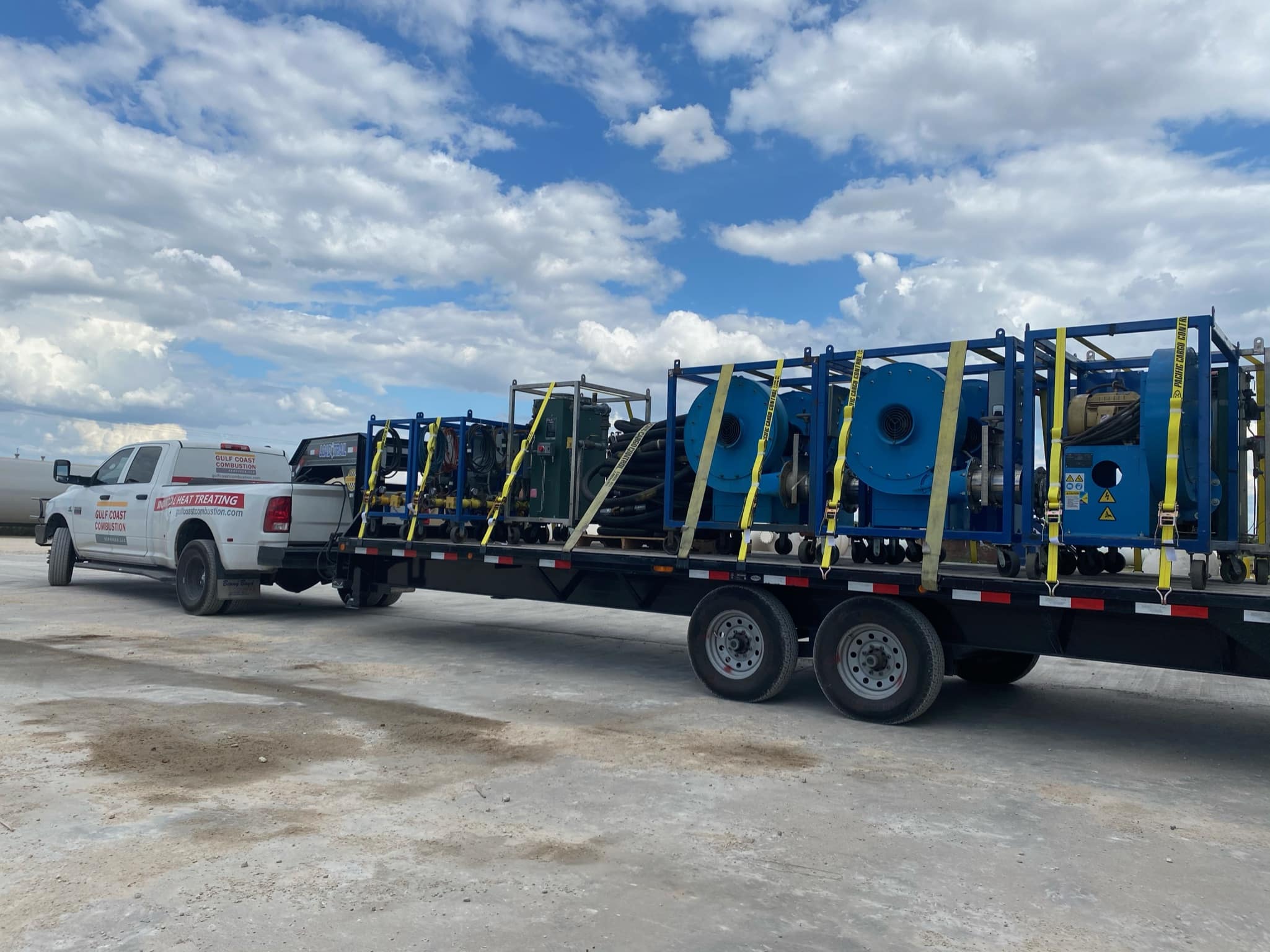
Gulf Coast Combustion performs on-site post weld heat treatment for large, thick-walled, code-critical pressure vessels using direct gas fire combustion. We bring the equipment to your yard and heat treat the vessel where it sits. No transport. No furnace queue. No size limits. Every job is executed to ASME Section VIII Division 1 / UCS-56 or your customer-specified WPS, with a full documentation package in hand before our trucks leave.
We serve fabricators building code vessels for oil & gas, chemical processing, and petrochemical applications. If you need a heat treating partner who shows up, executes clean, and documents every degree, call owner James Benefield directly at 832-797-3428. He answers calls and texts personally, including short-notice and emergency jobs.
Everything You Need to Evaluate On-Site PWHT
Whether you are pricing a job, weighing on-site against a furnace, or vetting a contractor, start here. These are the resources fabricators and plant teams use most.
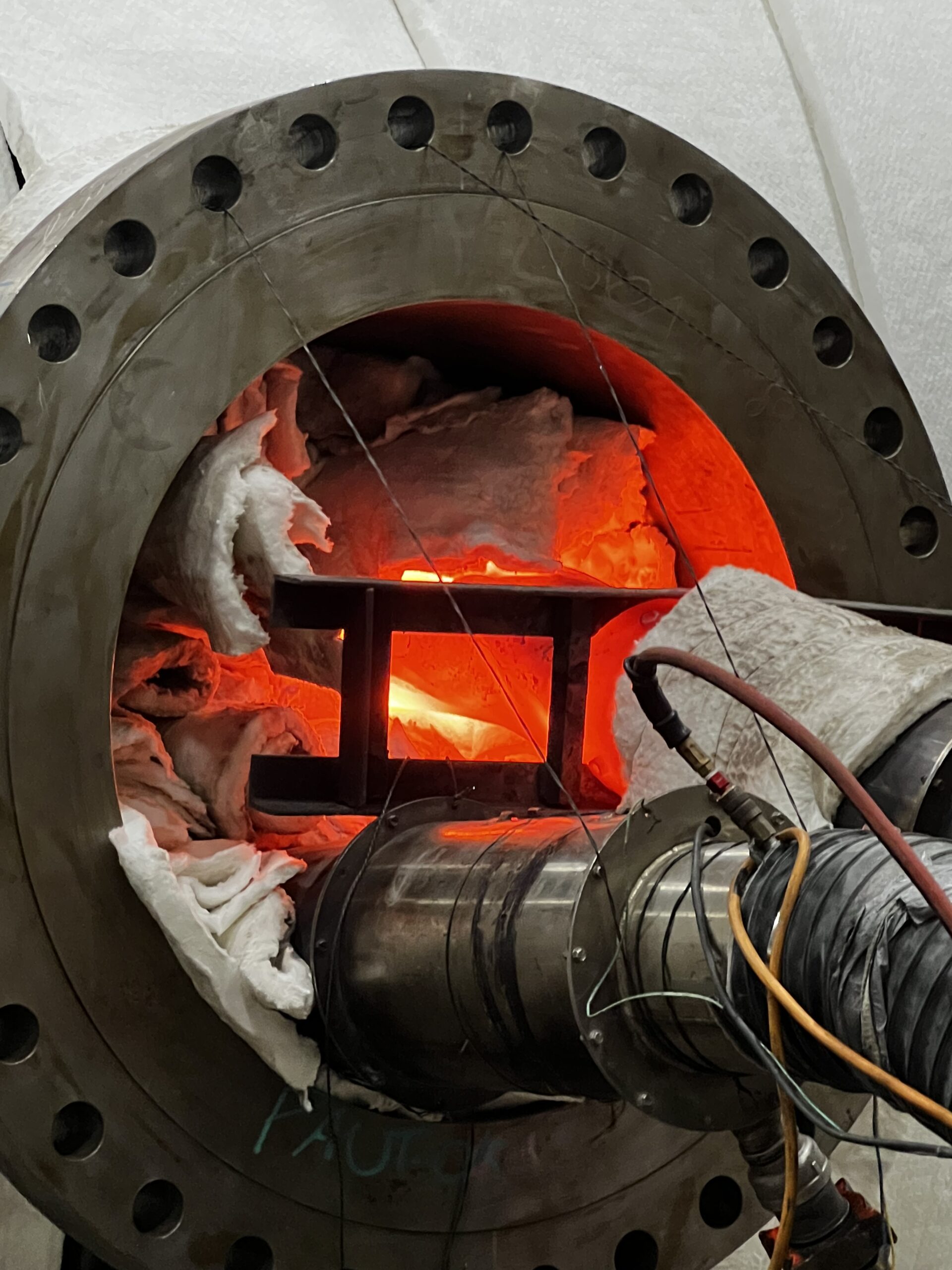
Free PWHT Pricing Calculator
Enter your vessel specs and get a budgetary estimate in seconds, built from GCC’s actual job data. No email required.
Estimate your job →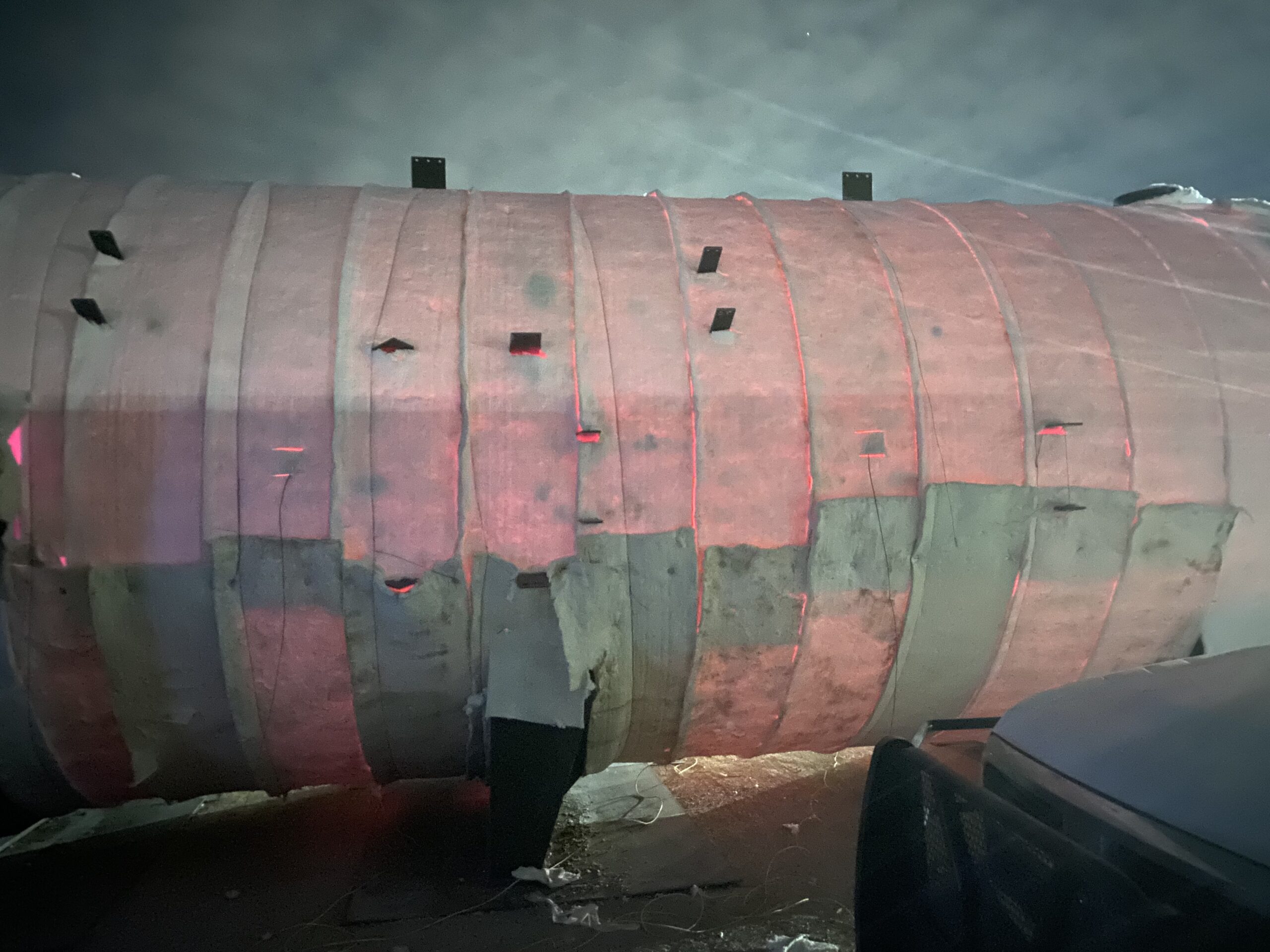
Should You Ship It or Treat It On-Site?
Cost, schedule, risk, and documentation compared side by side for large pressure vessels. The full decision breakdown.
Compare the options →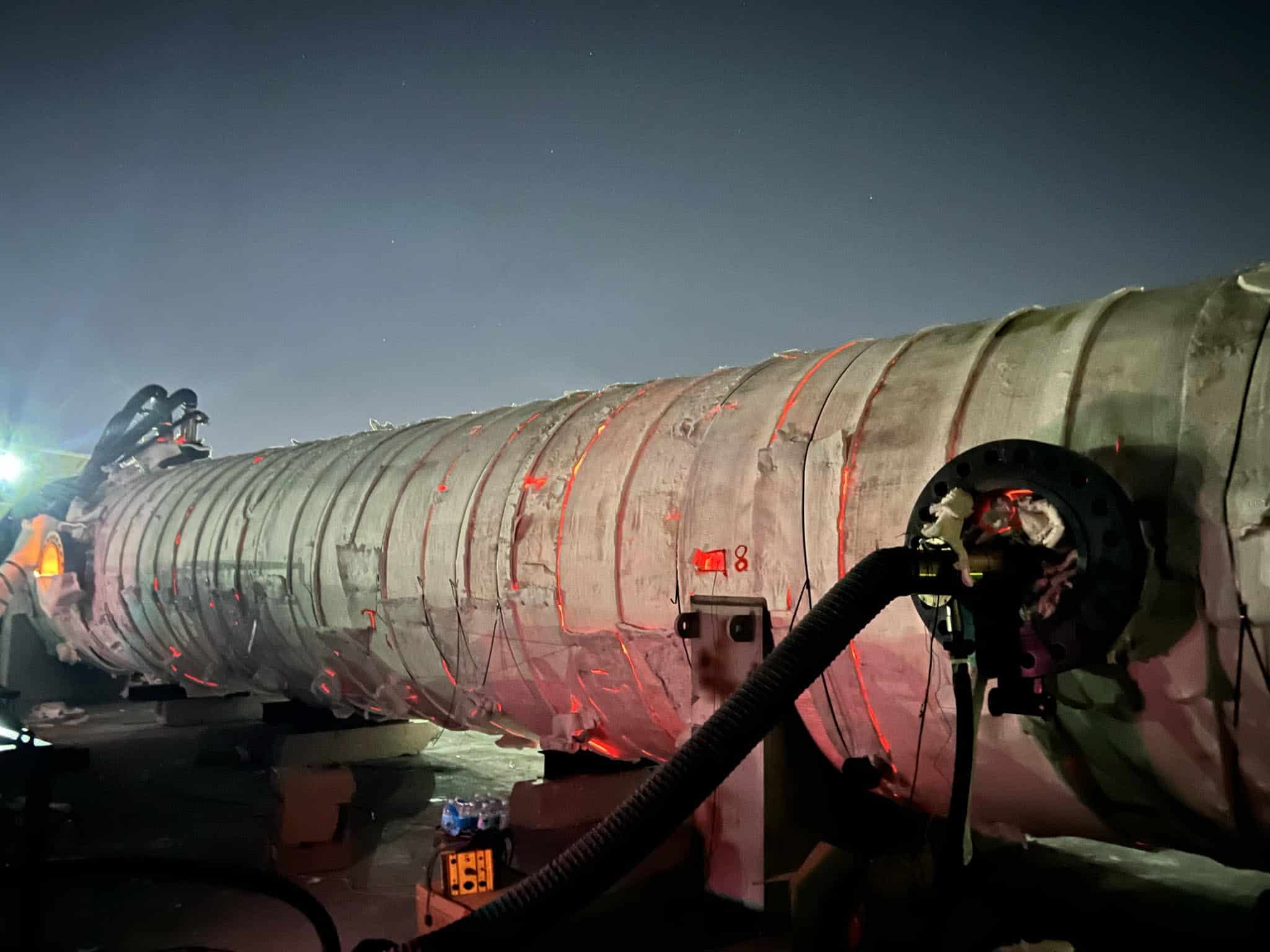
The Fabricator’s Complete Guide to PWHT
Code requirements, technical parameters, thermocouple placement, and documentation standards, in plain language.
Read the Guide →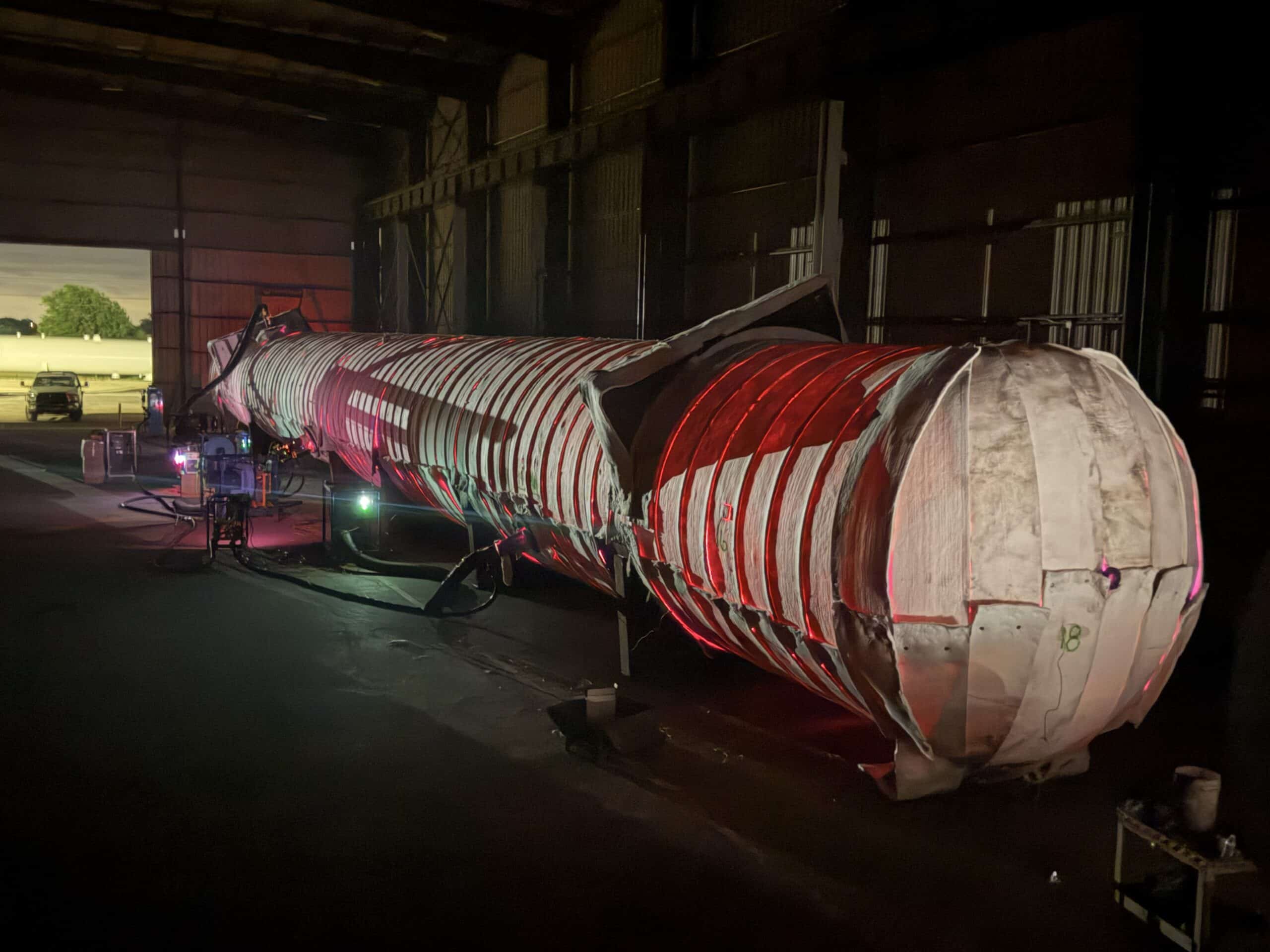
How to Vet a Heat Treating Contractor
Anyone can own the equipment. Not everyone can cook a vessel. What separates a reliable PWHT partner from the rest.
Choose the right partner →How On-Site Pressure Vessel PWHT Works — No Furnace Required
We use direct combustion gas fire, natural gas or propane, to bring the entire vessel up to soak temperature on your floor. The heat source works from inside the vessel, not around the outside. The vessel becomes the furnace. That approach is what makes on-site the practical choice for vessels where shipping to a furnace stops making sense: on-site, from roughly 10 feet to 120 feet and beyond, and weights from 30,000 lbs to over 600,000 lbs.
Our gas trains fire up to 8 million BTU per console and our high-velocity blowers are built for large, heavy-wall vessels: the kind that need precise, even temperature control across significant wall thickness to reach full stress relief through the weld and heat affected zone. More than 90% of our work is on-site gas combustion PWHT. It is what we specialize in, and it is nearly all we do.
No Transport
No oversized load permits. No rigging. No transit risk. Your vessel never leaves your yard.
On-Site QC Witness
Your QC team monitors chart recorder data in real time throughout the entire cycle.
ASME Compliant
Every job executed to ASME Section VIII or your customer-specified WPS and code requirements.
Full Docs Before We Leave
Heat treat record, strip chart trace, calibration certificate, execution plan: complete before we go.
As Featured In
The Fabricator — North America’s Leading Metal Fabricating Publication
James Benefield wrote the Welding Strategy article in the August 2026 issue: heat treating large pressure vessels where they sit. Four PWHT methods, what actually happens inside the steel, and the point where a furnace stops being an option.
Read James Benefield’s PWHT Article in The Fabricator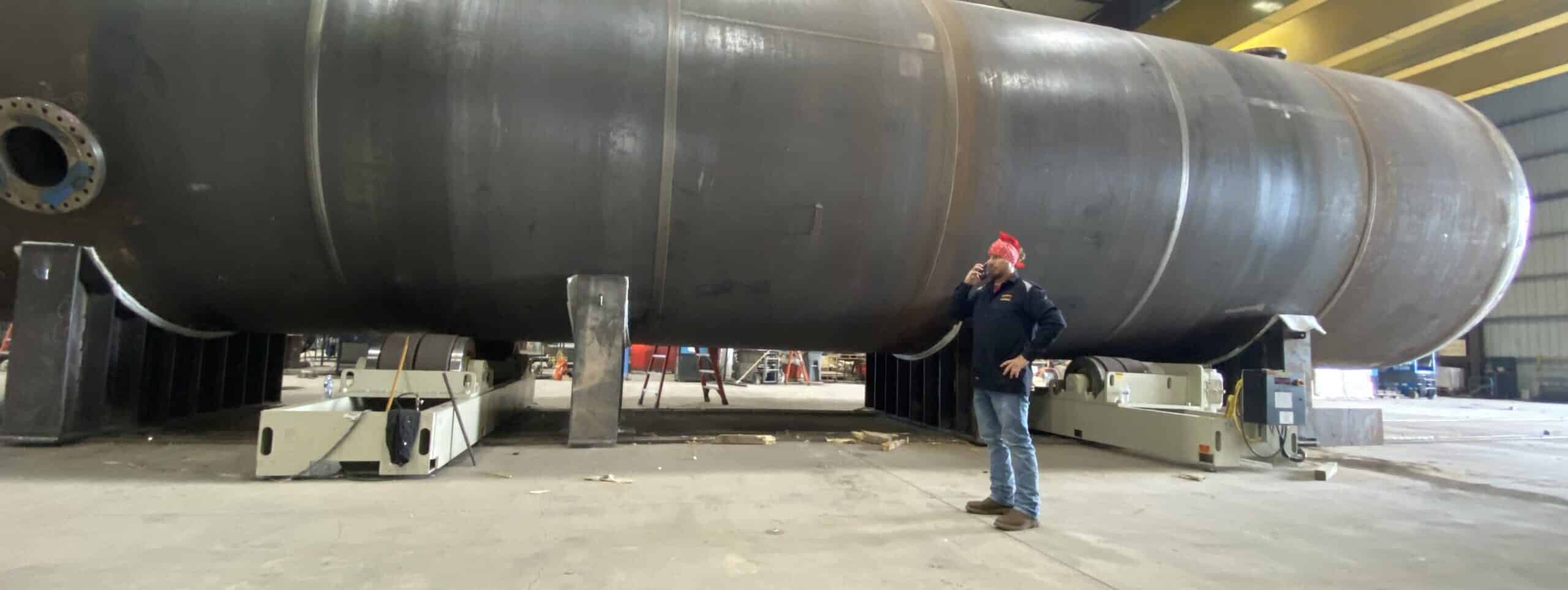
Thermal Processing Magazine — The Industry’s Leading Heat Treating Publication
James Benefield wrote the technical article the industry needed someone to write: what on-site direct gas fire PWHT actually requires to get right.
Read the Technical Article
Complete, Code-Compliant Documentation on Every Job
Every PWHT cycle we perform is fully documented with chart recorder traces showing heat-up rate, hold temperature, hold time, and cool-down rate, traceable to specific weld seams on your vessel. That documentation becomes part of your permanent vessel record and meets ASME Section VIII requirements. Your QC team can witness the process directly, on-site, from start to finish. We use Type K thermocouples with capacitor discharge attachment and NIST-calibrated Chino recorders to monitor every phase, from initial heat-up through soak and controlled cool-down.
What Happens After You Call
Send us your specs
Drawings are ideal, but vessel weight, length, width, and wall thickness get us started. Email james@gulfcoastcombustion.com or call 713-425-3773.
We price it out
James reviews your specs personally and turns around a quote fast. No waiting on a sales team.
We schedule and mobilize
GCC is available on short notice. Tell us if your timeline is tight. We work around fabrication schedules regularly.
Full docs before we leave
Heat treat record, strip chart trace, calibration certificate, and execution plan. Your QC package is complete before we go.
Want to know how long we’ll be on your floor? Here’s a complete breakdown of the on-site PWHT timeline, from setup to pack-out. Curious which vessels we treat most? See pressure vessel PWHT by vessel type.
See What Your Job Costs — Instantly.
Enter your vessel specs and get a budgetary estimate in seconds, built from GCC’s actual job data. No email required.
Try the Free Calculator →Mobile PWHT in Action
A complete on-site pressure vessel PWHT cycle, start to finish, in about 90 seconds.
Heat distribution, soak temperature, and chart recorder: an 80-foot, 90,000 lb job walked through in real time.
Vessel Types We Regularly Work On
Gulf Coast Combustion performs on-site PWHT across the full range of pressure vessels fabricated for oil & gas, chemical processing, and petrochemical applications.
Gas Processing / Upstream
- Slug catchers
- Amine contactors
- Amine still / reflux drums
- Gas scrubbers
- Knockout drums
- Flare knockout drums
- Suction drums
- Fuel gas scrubbers
Separation / Treating & Storage
- Coalescers
- Three-phase separators
- Two-phase separators
- Desalters
- Dehydrators
- Flash tanks / flash drums
- Accumulator vessels
- Surge drums
- LPG bullets / storage vessels
Refinery / Petrochemical
- Reactors
- Absorbers
- Reflux drums
- Reactor feed drums
- Heat exchangers (shell side)
Ready to Get Started?
Talk to James About Your Next Project
Call or text the owner directly at 832-797-3428 — or reach the office at 713-425-3773.
