

Anyone Can Own the Gas-Fired Equipment. Not Everyone Can Cook a Vessel.

On-site post weld heat treatment looks like a commodity. Same code, same target temperature, similar-looking equipment on every truck that pulls into the yard. That impression is the trap. Choosing an on-site PWHT contractor isn’t really a decision about equipment or price. It’s a decision about whether the people running your vessel actually know the […]
Tank Lining Heat Cure at a Major Food Processing Facility — California

ChemLINE heat cure isn’t a passive process. High-performance coating systems like ChemLINE require a controlled temperature ramp to a substrate temperature of 250°F, held for several hours, then a controlled step-down — before the lining is considered fully cured and ready for service. Gulf Coast Combustion performs that cure on-site, at your facility, with full […]
Looking for a Heat Treating Furnace for Your Pressure Vessel? Read This First
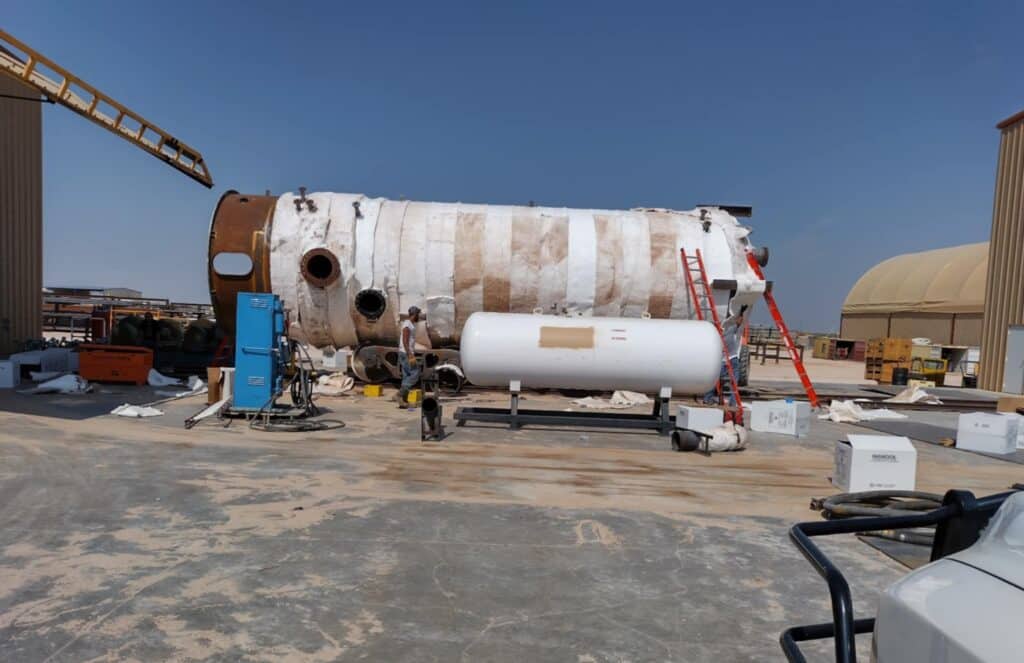
If you’re searching for furnace PWHT for a large pressure vessel, on-site direct gas fire is probably the better option. No transport. No size limits. Your vessel never leaves your yard. Furnace PWHT on a pressure vessel works well for smaller components. Once you’re dealing with a large vessel — the kind that requires oversized […]
The On-Site PWHT Bid Is the Final Number. Here’s Why That Matters.

On-site PWHT pricing isn’t always what it looks like. When a fabricator gets a freight quote to ship a large pressure vessel to a heat treating furnace, the number looks straightforward. It rarely stays that way. Fuel surcharges get added. Crane availability changes. The furnace has a longer queue than expected. The return trip has […]
We Just Published Our PWHT Pricing. Here’s Why We’re the First.

What the Calculator Actually Does The GCC PWHT Pricing Calculator is built on GCC’s actual job cost structure — the same inputs James uses when he prices a job. Vessel diameter, shell length, wall thickness, weight, distance from Spring, TX, and fuel source. The calculator returns an estimated cost range and a most likely midpoint, […]
On-Site PWHT Execution Standards: James Benefield in Thermal Processing
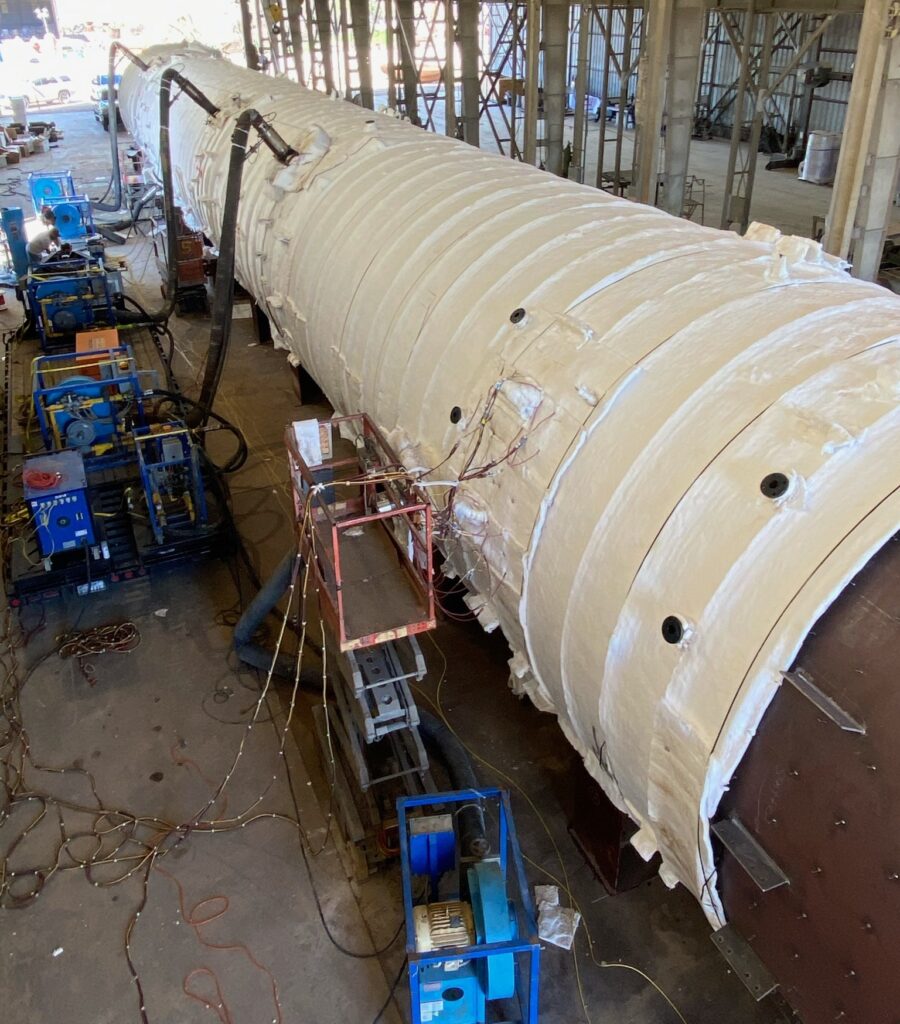
Thermal Processing magazine published a technical article this week by James Benefield, owner of Gulf Coast Combustion, on the execution standards for on-site direct gas fire post weld heat treatment of large pressure vessels. The full article is available now at Thermal Processing: Execution Standards for on-site direct gas fire PWHT on large pressure vessels. […]
What Engineers Actually Want to Know About On-Site Pressure Vessel PWHT

A photo of a 55-foot pressure vessel at 1,150°F made its way onto a major engineering community online. Within 24 hours: 503 upvotes, 70+ comments, 102,000+ views — and a comment section that turned into one of the most genuine technical Q&A sessions we’ve seen on on-site PWHT. The questions were real. From mechanical engineers, […]
On-Site vs. Shop Furnace PWHT — Why Smart Fabricators Choose Mobile Heat Treating
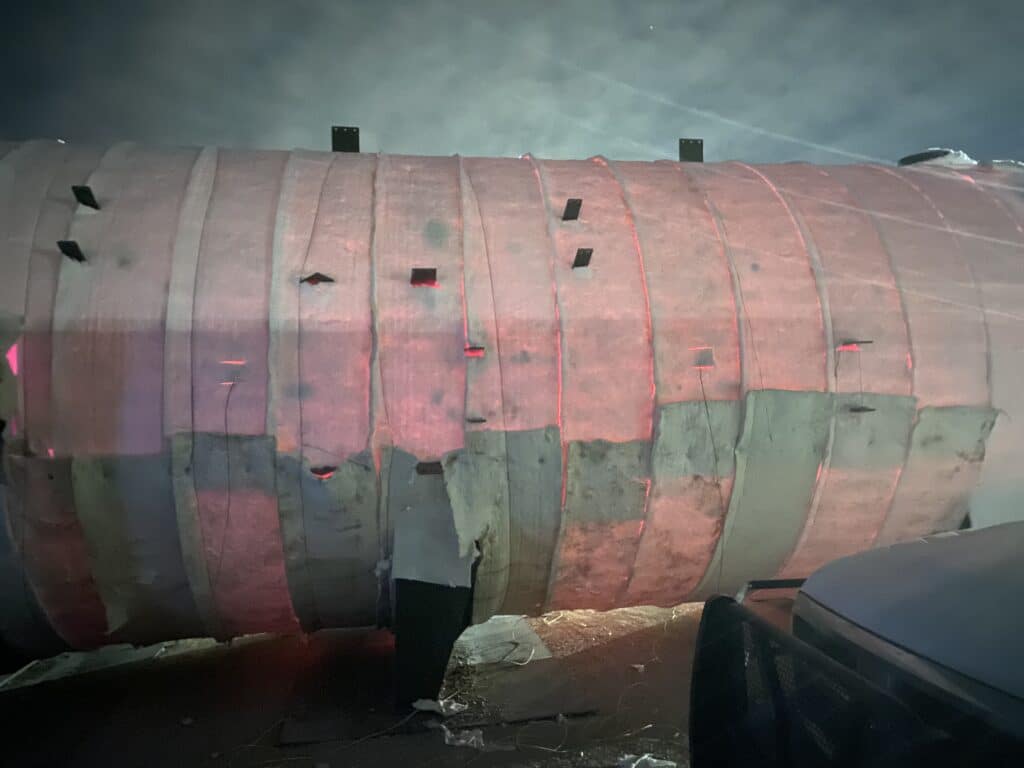
We don’t transport the vessel to a furnace. We turn it into one. A complete breakdown of on-site vs. shop furnace PWHT — cost, transport risk, size limits, schedule control, and documentation. Everything fabricators need before they choose.
What Happens If You Rush a Refractory Dry Out
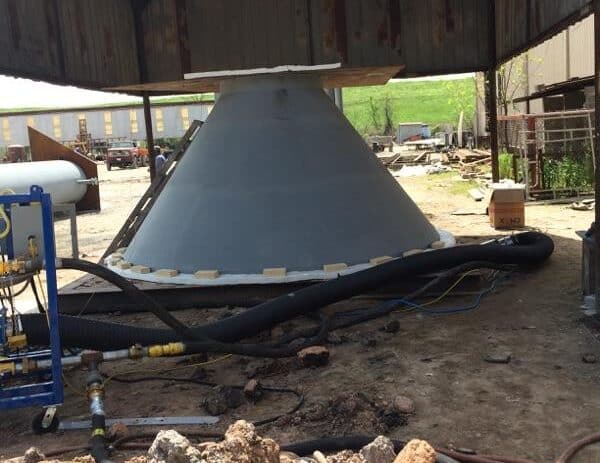
Refractory lining is expensive. The installation labor alone makes it one of the higher line items on any heater or vessel turnaround. The dry out is the last step before the system goes into service — and it’s the one that gets compressed when a schedule gets tight. That’s usually when the damage happens. Technical […]
About to Ship a Pressure Vessel for Heat Treatment? There’s Another Option.
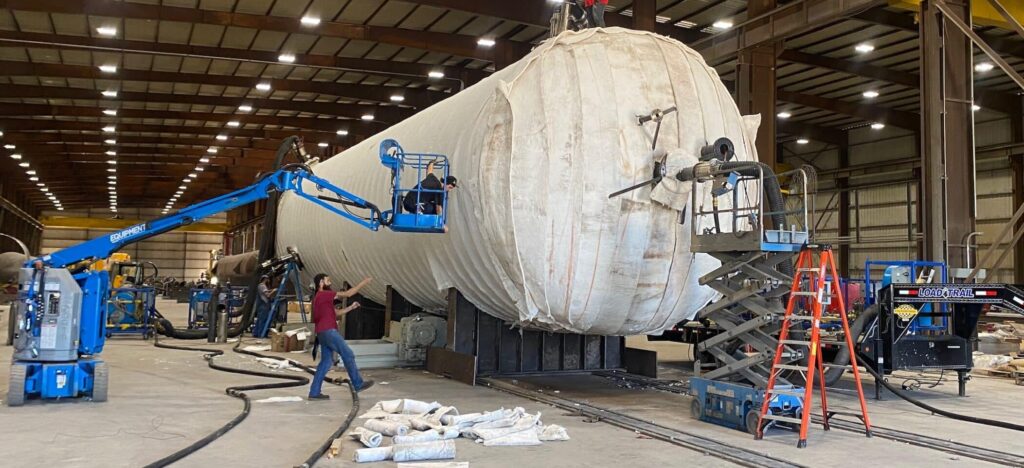
You’ve got a vessel ready for furnace PWHT. You’re calling furnace shops, getting freight quotes, checking schedules. That’s the process most fabricators run — because for most fabricators, a heat treating furnace is the only option they’ve ever used. It isn’t the only option. And for large pressure vessels, it’s often not the best one. […]
Refractory Dry Out: The Complete Guide for Fabricators and Plant Managers
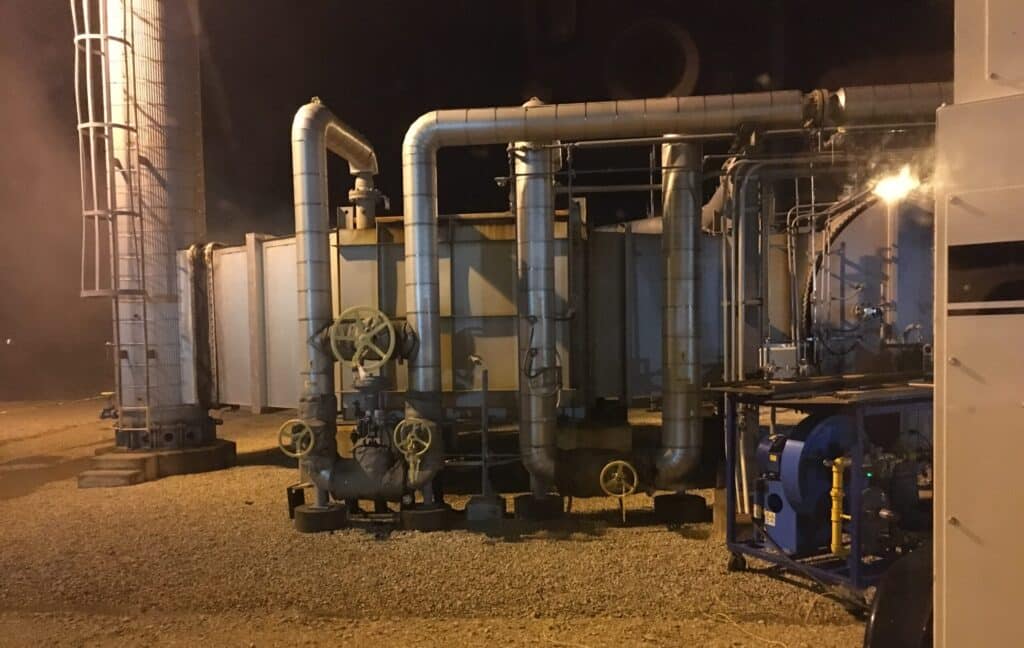
Jump to a Section: Introduction — What Is Refractory Dry Out and Why It Matters Section 1 — What Is Refractory Dry Out? Section 2 — Full vs. Partial Refractory Dry Out Section 3 — How the Refractory Dry Out Schedule Is Built Section 4 — Multiple Hold Stages — Not Just One Section 5 […]
How Long Does On-Site Pressure Vessel PWHT Take?

If you’ve ever wondered how long on-site pressure vessel PWHT takes, here’s the straight answer: for most jobs, Gulf Coast Combustion is on your floor and done in 2 to 3 calendar days. That’s start to finish — vessel wrapped, heat cycle complete, cooled, unwrapped, and turned back over to you. We tell customers 3 […]
What 10 Years With the Same Client Actually Looks Like
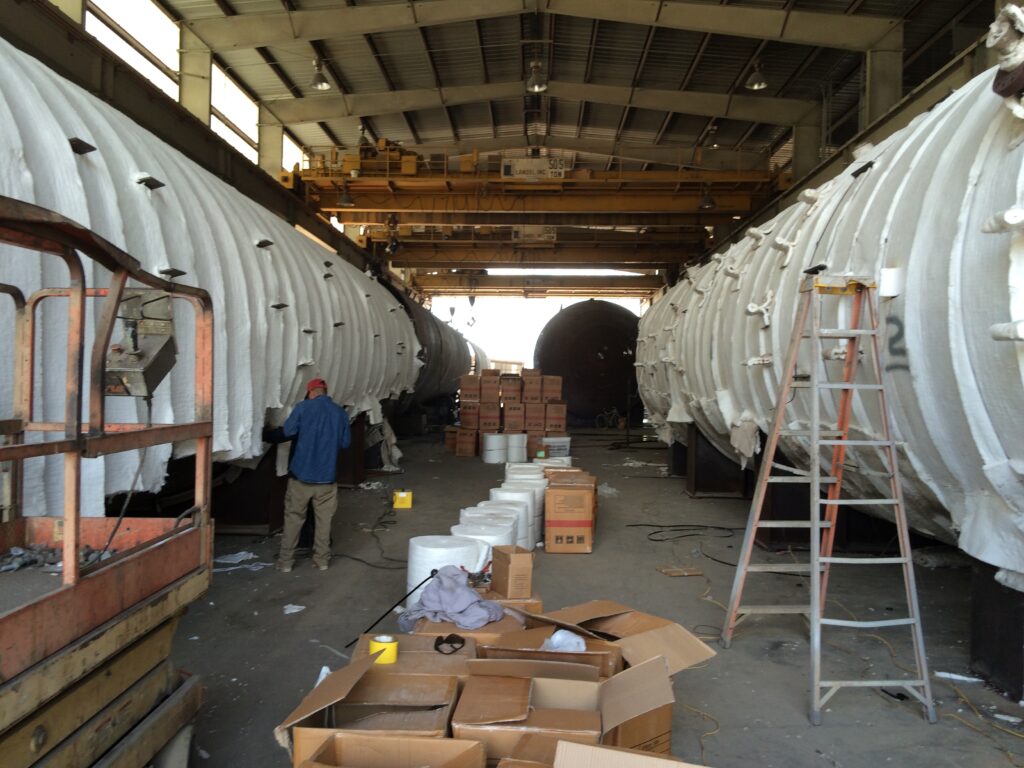
The first time one of our longest-running clients saw on-site pressure vessel PWHT, he didn’t describe it in technical terms. He said it looked like cooking a baked potato — wrap it in foil, put it in the oven, cook it through. That’s it. That’s direct gas fire combustion in one sentence. That fabricator runs […]
5 Questions to Ask Before You Hire a Mobile Heat Treating Company
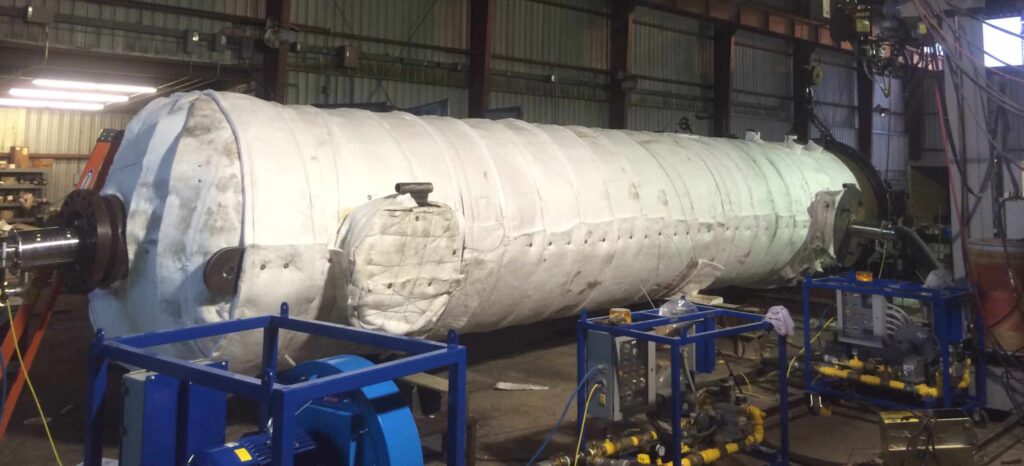
Not all mobile heat treating companies are created equal. For pressure vessel fabricators, choosing the wrong vendor can mean schedule delays, execution problems, or a heat treat cycle that doesn’t meet code. Here are five questions worth asking before you award a job. Question 1 How Much Experience Does the Mobile Heat Treating Company Have […]
Localized PWHT: Pipe Spools, Nozzle Welds, and Vessel Repairs
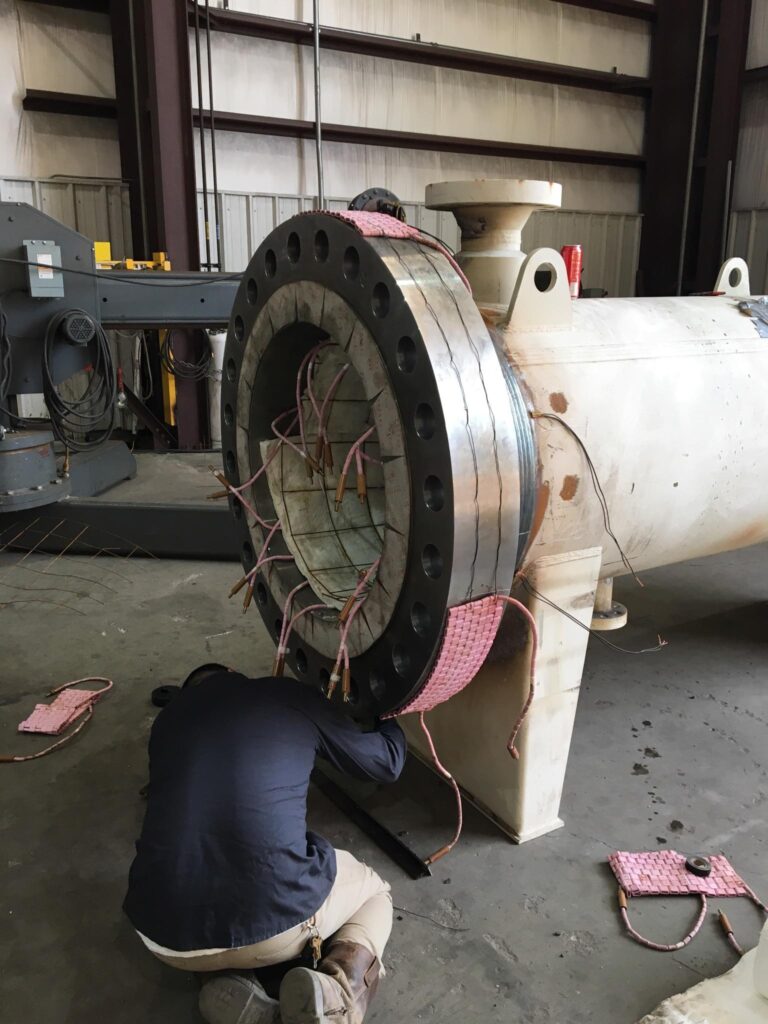
Pipe spools, flange faces, nozzle welds, and seam weld repairs all require post weld heat treatment on a specific area — not a full vessel treatment. Localized PWHT is the right tool for this work, and it’s one of the more common jobs Gulf Coast Combustion performs alongside full vessel heat treating. Here’s how it […]
Pressure Vessel PWHT by Vessel Type: What Fabricators in Oil & Gas and Petrochemical Need to Know
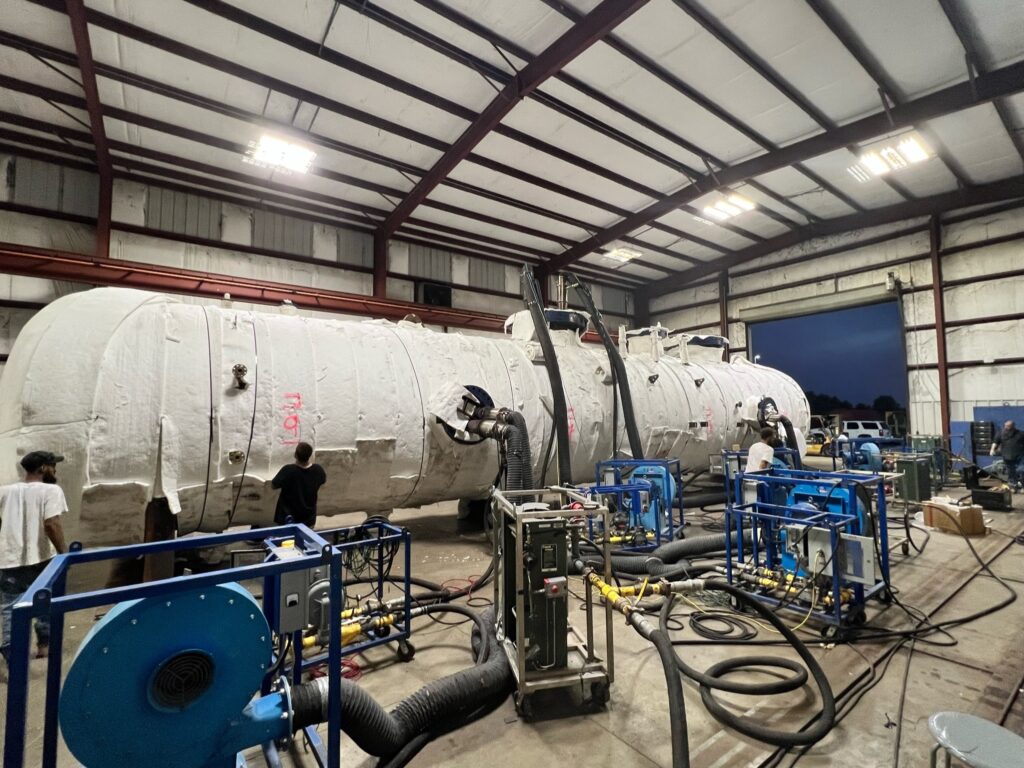
Pressure Vessel PWHT by Vessel Type: What Fabricators in Oil & Gas and Petrochemical Need to Know If you fabricate pressure vessels for oil & gas, chemical processing, or petrochemical applications, you already know that post weld heat treatment is code-required on most of what you build. What’s less often discussed is how the vessel […]
Refractory Dry Out Failure: Why Getting It Right the First Time Matters
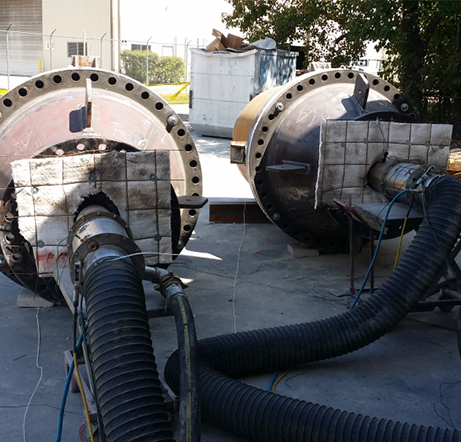
Refractory lining is a significant investment — in materials and in the labor to install it. The dry out process is the final step before the refractory goes into service, and it’s one that gets underestimated more than it should. A poorly executed dry out is one of the most common causes of premature refractory […]
THE FABRICATOR’S COMPLETE GUIDE TO PRESSURE VESSEL PWHT

Jump to a Section: Introduction — What Is Pressure Vessel PWHT and Why It Matters Section 1 — What Is Post Weld Heat Treatment? Section 2 — When Is Pressure Vessel PWHT Required Under ASME Section VIII? Section 3 — How Is On-Site Pressure Vessel PWHT Executed? A Step-by-Step Breakdown Section 4 — What Are […]
Why the Best Pressure Vessel Fabricators Don’t Shop for a New Heat Treating Vendor Every Year
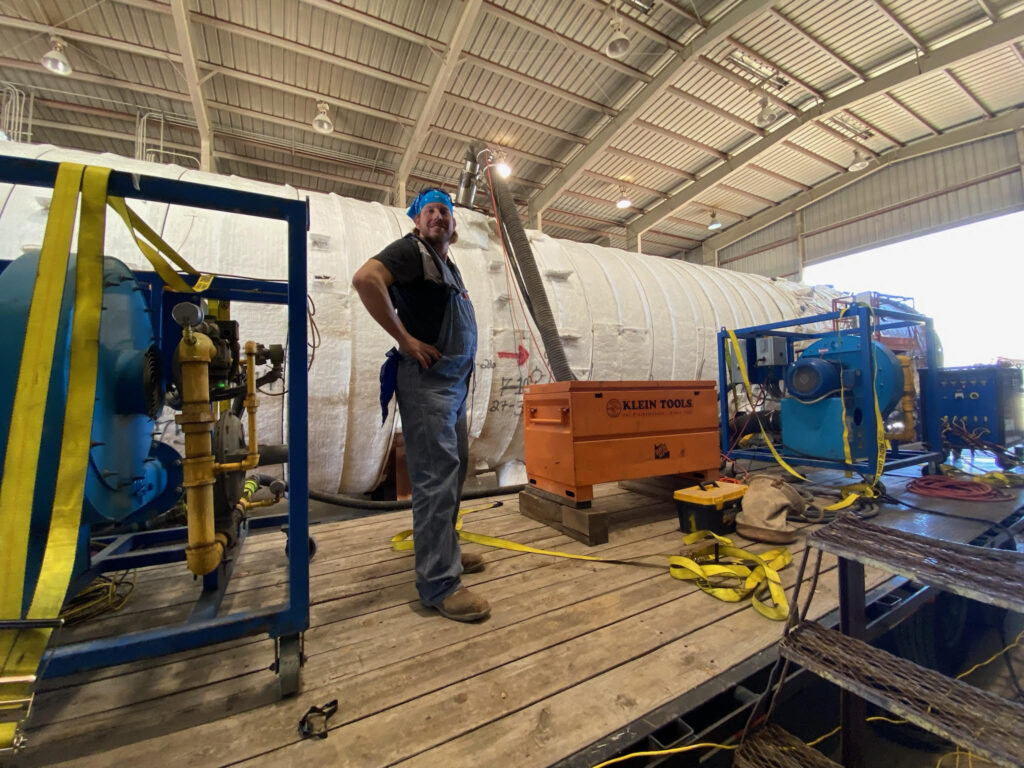
There’s a particular kind of fabrication shop that stands out in the pressure vessel heat treating world. Their work is precise. Their timelines are tight. Their clients — refineries, chemical processors, upstream oil and gas operators — don’t tolerate delays or rework. These shops have one thing in common: they stopped treating pressure vessel heat […]
Direct Gas Fire Heat Treating: What It Is and Why Fabricators Choose It
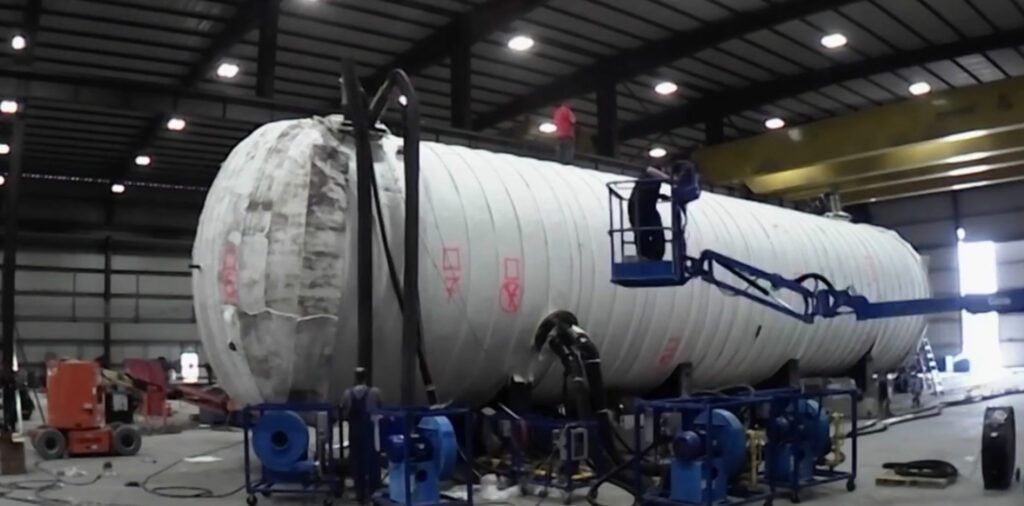
Most fabricators picture a box furnace or ceramic pads when they think about heat treating. Gulf Coast Combustion uses something different — high-velocity direct gas fire combustion. It’s the method behind GCC’s on-site pressure vessel PWHT, refractory dry outs, and coating cures, and it’s worth understanding why. Here’s a straight explanation of what it is, […]
